


Our APBC SI J and spinal course is currently 2 x 5 day programs. It’s strongly advised to study both parts to be a effective & safe practitioner.


Dr Robbie Goodrum
PhD D.O DPT DBM ND Founder of APBC Technique
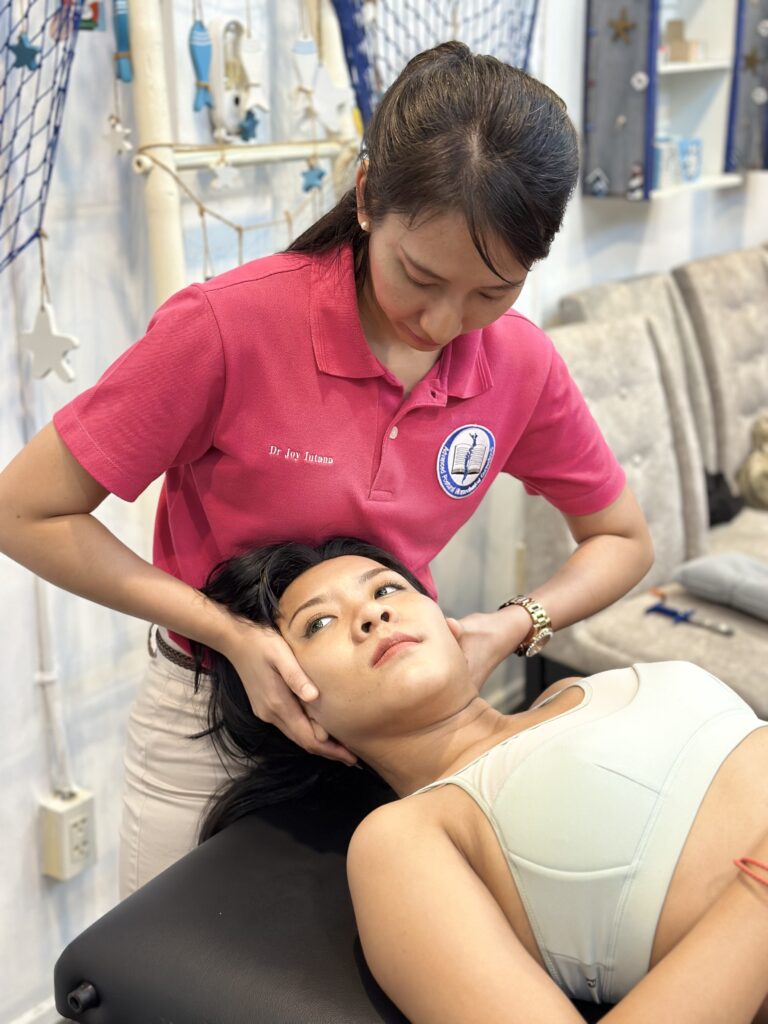
Q. Can you attend APBC Level 2 without attending APBC Level 1?
A. No. APBC Level 1 is a prerequisite for studying APBC Level 2.
Our APBC pelvic girdle/coccyx pubic, sacrum, ilium, full spinal, specific upper cervical atlas technique course is currently taught as two five-day programs. It is strongly advised to study both parts to be an effective and safe practitioner.

Dr. Joy Intana PhD D.O DPT BSc PT Physiotherapist & Osteopath Thai registered (Head APBC instructor global)
Q. What is taught in APBC Level 2?
A. Advanced pelvic subluxations, disc pathologies, and specific upper cervical technique similar to upper cervical chiropractic without the toxic X- rays. This masterclass is a highly sought-after program developed over 33 years. This course will be the icing on your therapeutic tool-box.
Award given:
– Graduate Diploma in Manipulative Therapy & Advanced Postural Biomechanical Correction Post nominal letters: Grad Dip Man Ther, Dip APBC Technique.

Let’s dig deep on APBC level 2
A. There is a strong emphasis on examination and treatment of Spinal Disc Issues:
– Minor Disc Bulge: The disc protrudes outwards, but the outer layer is still intact.
– Disc Protrusion: The disc pushes out, and the outer layer is still intact, but it’s more severe than a bulge.
– Posterior Disc Protrusion: The disc protrudes towards the back, potentially pressing on the spinal cord or nerves.
– Anterior Disc Protrusion: The disc protrudes towards the front, less common and often less problematic.
– Circumferential Disc Protrusion: The disc protrudes outwards in all directions (360 degrees), often due to degenerative changes.
– Disc Extrusion: The disc ruptures, and the inner gel leaks out, but it’s still connected to the disc.
– Disc Sequestration: A piece of the disc breaks off and floats freely in the spinal canal.
– Foraminal Herniation: The disc herniates into the foramen (the space where nerves exit the spine).
– Posterolateral Herniation: The disc herniates towards the back and side, often pressing on a nerve.
A Circumferential disc protrusion is when the disc bulges out evenly around its entire circumference, like a tyre wearing out. It’s often seen in degenerative disc disease.
You will become an expert in:
– Disc bulge/herniation types & what you can/can’t do
– Anterior vertebral subluxation
– Anterior ribs subluxations
– Advanced Upper Cervical techniques to balance entire spine from just specifically correcting C1
– Extra Pelvis subluxation patterns
Q. Are there Exams?
A. Yes – APBC Advanced Postural Biomechanical Correction (Level 2) Graduate Diploma in Manipulative Therapy. Requires a 30 min theory paper and 15 min practical exam to pass our APBC level 2.
Anyone not wanting to take the test can be awarded an attendance certificate as requested.
APBC Level 2 is a continuation from APBC Level 1, teaching Advanced spinal manipulation mobilization techniques to balance extra subluxation of pelvis, pubic, coccyx sacrum not taught in APBC Part 1, and extra subluxations of the vertebral column for lumbar, thoracic & cervical for Discs and anterior vertebral motor unit subluxations.
There’s a lot to teach in 10 days. We teach you to “balance the spine & pelvis – not just crude segmental manipulation like most other manipulative courses. We also teach you how to diagnose and select the right technique for the right pathology or tissue presentation. You will learn effective techniques for facets, Disc and pelvic joints.

” Advanced effective Disc Techniques”
Q. Is APBC technique the same as Chiropractic or Osteopathy?
A. No absolutely not. APBC is an independent technique with its own philosophy, assessment, and techniques. Dr. Robbie Goodrum’s Advanced Postural Biomechanical Correction (APBC) techniques are inspired by Osteopathy and Chiropractic, but after 33 years of modifications and PhD research, APBC Technique are now 100% unique techniques developed by Dr. Goodrum & Dr Joy Intana APBC is not modified Chiropractic or Osteopathy.
Q. Do you teach Osteopathy and Chiropractic?
A. No, we no longer teach Modified Chiropractic or Osteopathy, as it contradicts the PhD research and philosophy of the APBC technique.

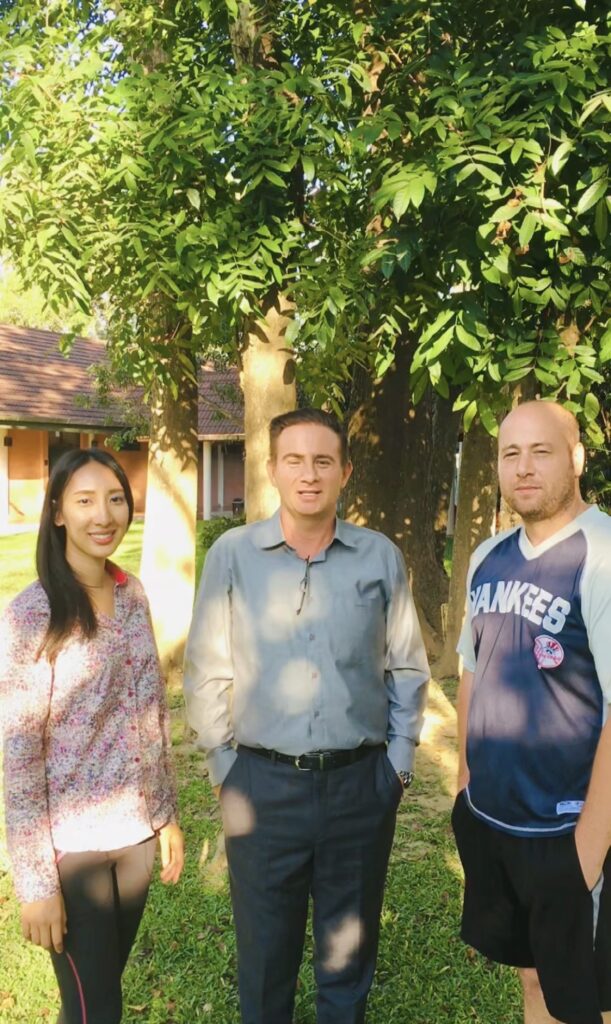
A Happy bunch of Physiotherapists, Chiropractors and Osteopath in Thailand (Dr. Joy was one of my students 15 years ago; she’s now a PhD Physio and Osteopath herself).
Q. Is this a life-changing course?
A. Yes. This is an amazing course – see testimonials below.
Click Here for video and testimonials
The precision of adjustments and analysis on this course is second to none! Chiropractors regularly join the course from England, Australia, USA, and Europe.
See Testimonials from Chiropractors here!

Testimonial from Chiropractors
We no longer teach these damaging side posture chiropractic techniques.

A specific L5 Manipulation to reduce a Disc Bulge Convexity, following the concave/convex rule of Disc Manipulation
Dr. Sasha from Germany, a Physiotherapist, Chiropractor, and Osteopath with 13 years of clinical practice, said: “Dr. Robbie, this is the best course I have ever attended. I learnt so much. You have a talent, and the series of manipulations you gave me on my spine were the best I have ever had.” Dr. Sasha had been manipulated by Chiropractors and Osteopaths in Europe, the USA, and Australia. Dr. Sasha said, “Robbie, you are one of the best in the world. I woke up feeling so light and pain-free in my normally painful lower back.”

Dr Sasha Osteopath, Chiropractor and Physiotherapist and Tutor Dr Robbie Goodrum in 2009 in Thailand
APBC Technique uses a listing system to describe misalignments or subluxations in the spine, pelvis, and extremities. Dr. Robbie says, “We teach your hands to be like a human MRI scanning machine.”
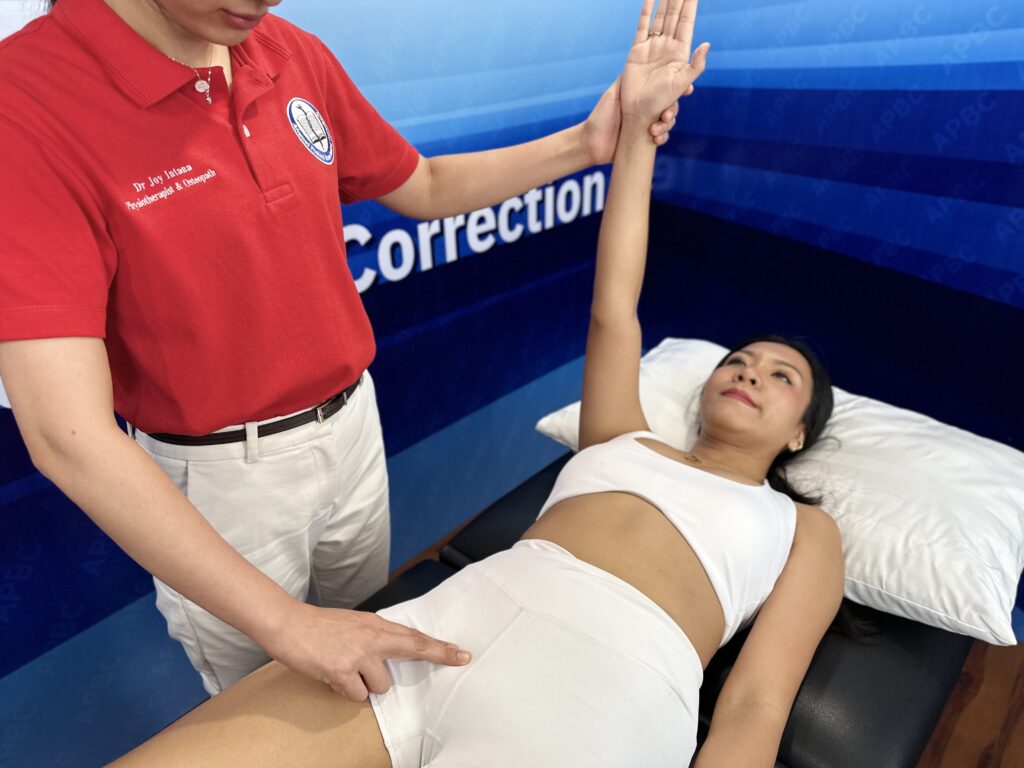
Q. How do we find subluxations or somatic dysfunction ?
A. We use a sophisticated neurological testing method to find subluxation and somatic dysfunction – these tests are similar to the chiropractic leg check developed in the 50s and 60s in the USA.
Q. Do you use X-rays ?
A. No. Unlike Gonstead or upper cervical Chiropractic, we find our spinal/pelvis extremity subluxations with palpation and other specific neurological clinical tests that will truly amaze you. We don’t use X-rays unless there’s suspected pathology.
Q. How is APBC Technique different ?
A. We use specific points of contact and specific vectors of applied force with mobilizations 90% and some HVT manipulation. See some examples below.
APBC Mobilisation Technique for Base Anterior or nutation Sacrum subluxation.


APBC mobilisation Technique for Base Posterior or a counter Nutation Sacrum subluxation

APBC HVT manipulation Technique for C7 – PLI

Our APBC Technique gives superior results for Disc problems and difficult to settle spinal or SI J pain in 1-2 sessions.
Click Here to see APBC Technique Video
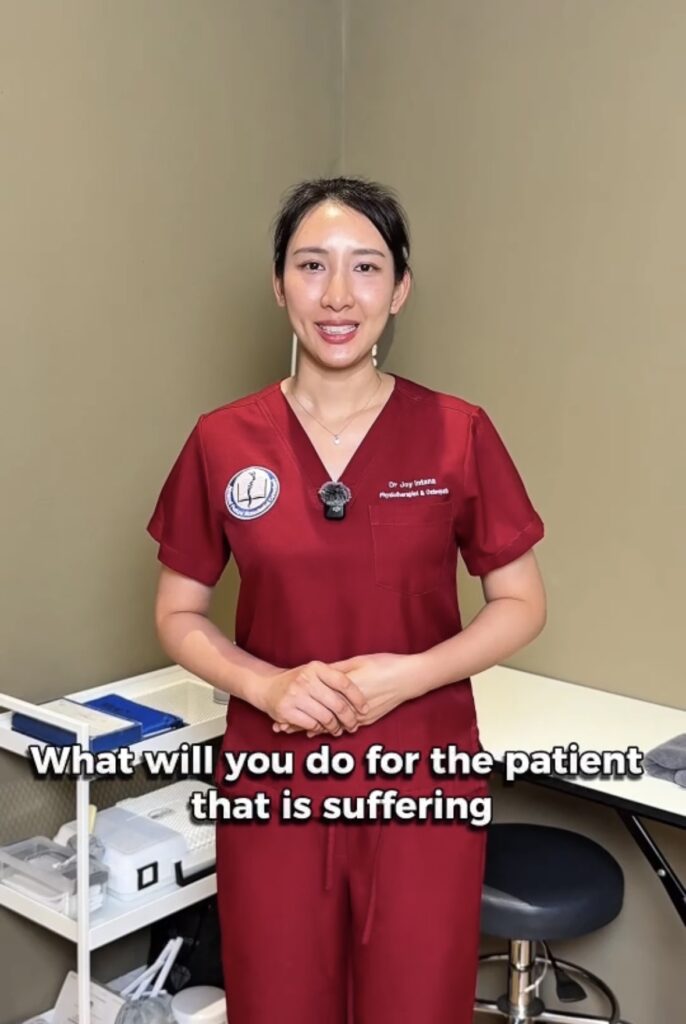
Q. Do you use Instrument-Assisted Techniques?
A. Yes, we do. The APBC Technique for Adjuster Pro Technique Instrument will be taught for the full spine & SI J in an advanced new way to resolve Disc problems fast in combination with specific mobilization and some HVT’s.
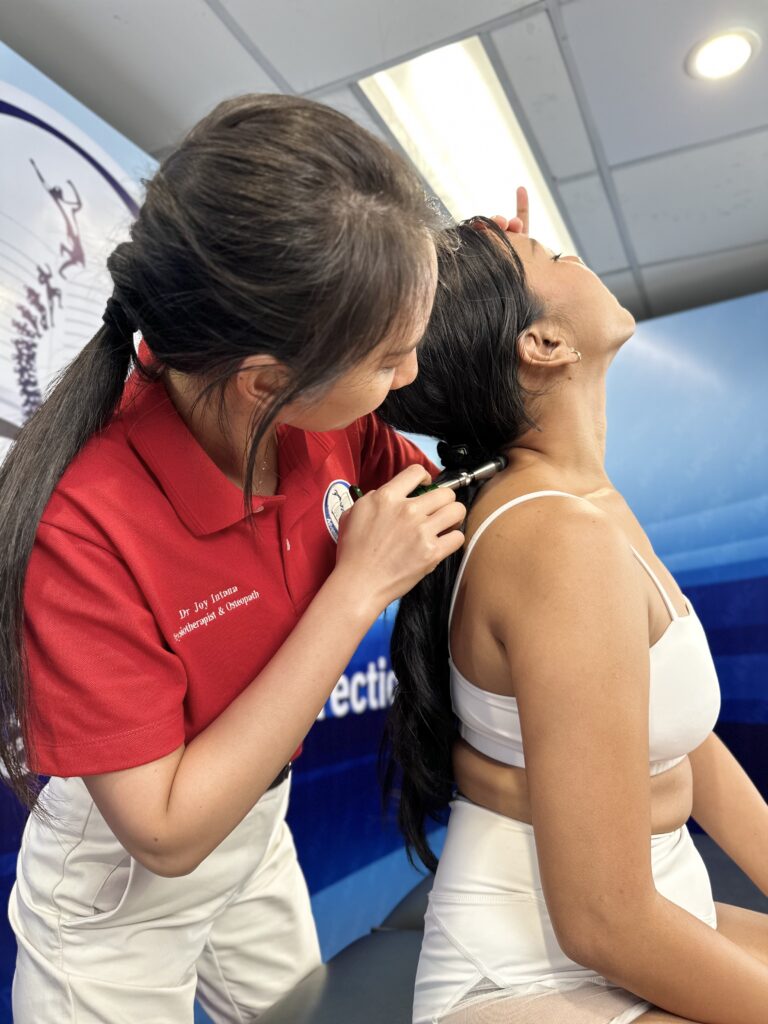
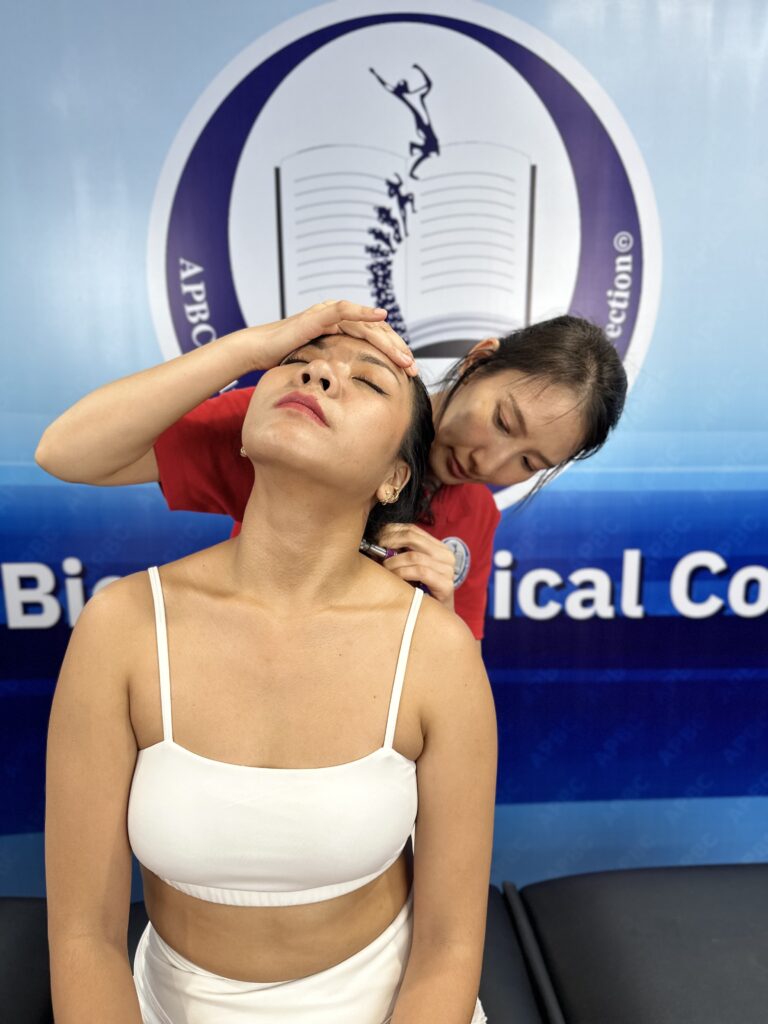
This course will expand and explore how to integrate the APBC short lever Technique, including specific rehabilitation.
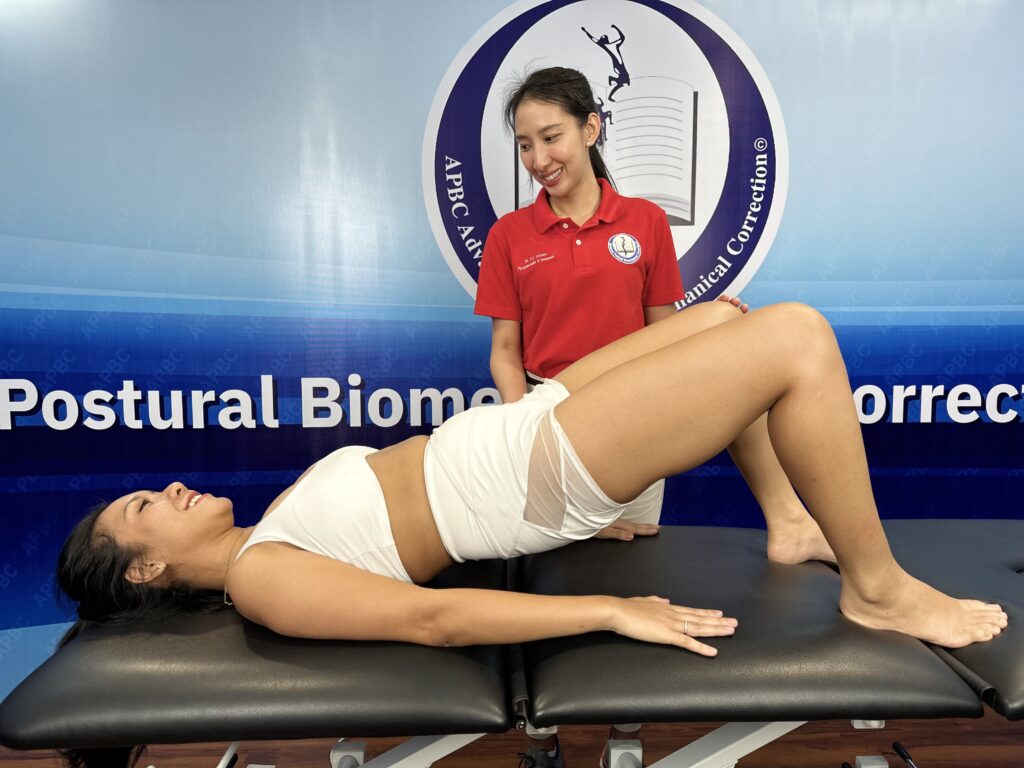
Q. Is APBC Technique a holistic program?
A. Yes, it is. Our APBC Technique is one smooth holistic method and it’s the focus of our program. We don’t teach other people’s methods or ideas. You will learn on this program how the spinal nerves and subluxation affect different autonomic nerves, sympathetic and parasympathetic. We will teach how, as practitioners, manipulation mobilization can restart the healing mechanism for many health conditions.
Q. Will APBC Technique equip you for clinical success ?
A. Absolutely yes, 100%. Our past students, like Dr. Manish Arora, for example, has multiple clinics since studying with us in 2013/14 and 2016. Brooke Lishman was working for a chiropractor in 2012 and by 2014, after attending APBC 1, 2 & 3, has now opened 2 clinics in New Zealand. We have hundreds of successful Physios opening clinics after our study.
Q. How to retire pain-free after 40 years of practice?
A. Conclusion: on this course, you will have developed good skills to balance the pelvis and spine and know how to deal with most complicated spine-related disorders. APBC Technique is more ergonomic for the operator and safer for the patient. APBC Technique is designed for the longevity of the operator and not to damage peri-articular tissue ligaments, etc.
Click Here Click here to find out how manipulation can damage ligaments.
Click Here See Testimonials Video
Click Here Click Here to watch APBC Technique Video
Program


Course dates Booking form testimonials
CLICK HERE FOR FURTHER INFORMATION Graduate Diploma in Manipulative Therapy with Honours part 2
Our Mission…
Our mission is to help the professional practitioner perfect their diagnostic and manipulating skills, to enable him or her offer the best to their patients.