


Dr Robbie Goodrum PhD Founder of APBC Technique giving a specific Disc manipulation.
Osteopathy were founded in 1874 by Dr Andrew Taylor Still MD DO a renowned and maverick Medical Doctor from the USA.

” It is the object of the physician to find health, anyone can find disease”
Dr Andrew Taylor Still MD DO
Click here for studying Osteopathy 2 year Diploma onsite in Thailand
Click here for studying Online degrees in Osteopathy
Osteopathy: A Holistic Approach to MSK and Beyond

Principles of Osteopathy
Osteopathy is a holistic approach focusing on the interconnectedness of the body’s structure and function. Its core principles include:
1.The body is a unit, and all parts are interrelated. This principle emphasises the importance of considering the body as a whole, rather than focusing on isolated parts. For example, a problem in the ankle can affect the knee, hip, and even the lower back.
2.Structure and function are reciprocally interrelated. This principle highlights the interdependence of the body’s structure (anatomy) and its function (physiology). Changes in structure can affect function, and vice versa.
3.The body has self-regulatory mechanisms. This principle recognizes the body’s inherent ability to heal and regulate itself. Osteopathy aims to support these mechanisms, rather than simply treating symptoms.
4.Rational treatment is based on these principles. This principle guides osteopaths to use a logical and evidence-based approach to treatment.
These principles guide osteopaths in assessing and treating the body’s musculoskeletal (MSK), visceral, and cranial systems.
Benefits of Osteopathy
Osteopathy offers a range of benefits, including:
– Pain relief and management: Osteopathy can help alleviate acute and chronic pain, improving quality of life. Techniques like joint mobilization and soft tissue manipulation can reduce pain and inflammation.
-Improved mobility and function: Osteopathic techniques can enhance joint mobility, muscle flexibility, and overall physical function. This is particularly beneficial for patients with MSK conditions or those looking to improve sports performance
-Enhanced overall well-being: Osteopathy can contribute to a sense of balance and well-being, addressing physical, emotional, and mental aspects of health.
-Support for the body’s self-healing mechanisms: Osteopathy can help stimulate the body’s natural healing processes, promoting recovery and resilience.
Osteopathic Techniques
1. GOT (General Osteopathic Technique): Uses manual stretching, manipulation, massage, and other gentle osteopathic techniques to directly increase ROM and address MSK issues.
2. Sports Osteopathy: Focuses on preventing and treating sports injuries, enhancing performance, and promoting recovery. Common applications include tendonitis, muscle strains, and joint dysfunction.
3. Geriatric Osteopathy: Adapts Osteopathic principles to address age-related conditions, such as osteoporosis, arthritis, and balance issues, promoting mobility and independence.
4. Pediatric Osteopathy: Gentle, non-invasive techniques address issues like colonic dysfunction, ear infections, and developmental delays in infants and children.
5. Visceral Osteopathy: Targets the internal organs and their surrounding structures to improve function and alleviate symptoms related to visceral dysfunction & entire body.
6. Cranial Osteopathy: Focuses on the cranial and sacral systems, addressing issues like headaches, TMJ dysfunction, and stress-related conditions & a whole body approach.
7. Gynecological Osteopathy: Offers benefits including relief from menstrual pain, improved management of endometriosis symptoms, support for fertility, and enhanced overall women’s health.

Osteopathy can be beneficial for a wide range of conditions, including:
MSK conditions:
– Back pain
– Neck pain
– Shoulder pain – Knee pain
– Hip pain
– Sciatica
– Fibromyalgia
Neurological conditions:
– Migraines
– Headaches
– Neuralgia
– Respiratory conditions:
– Asthma
– COPD
– Gastrointestinal conditions:
– IBS
– Constipation
– Acid reflux
Women’s health:
– Menstrual pain
– Endometriosis
– Pregnancy
– related issues
Other conditions:
– Stress and anxiety
– Sleep disturbances
– Fatigue
Integrating Osteopathy into Your Practice.
As a curious physio grad or other professional, exploring osteopathy can enhance your practice and benefit your patients. Consider:
– Developing your palpation skills
– Expanding your understanding of anatomy and biomechanics
– Exploring osteopathic techniques and approaches
– Applying osteopathic principles to your existing practice
Some key techniques used in osteopathy include:
-Soft Tissue Techniques: Massage, stretching, and manipulation of soft tissues to promote relaxation and improve mobility.
-Joint Mobilization or Osteopathic Articulation are Gentle, repetitive movements to improve joint mobility and reduce stiffness.
-High-Velocity Thrust: A rapid, low-amplitude thrust to restore joint mobility and reduce pain.
-Cranial Osteopathy: Gentle, non-invasive techniques targeting the cranial and sacral systems.
-Visceral Osteopathy: Techniques targeting the internal organs and their surrounding structures to improve function and alleviate symptoms.
-MET muscle energy technique to stretch tight muscles and activate muscles not working
-NMT Neuromuscular technique to reduce facilitated trigger points
-Positional release and SCS strain counter strain to relax the CNS and decrease spasm & pain.
-Osteopathic pressure Fascial release techniques
When applying osteopathy, consider the following:
-Patient-centered approach: Focus on the patient’s unique needs, goals, and circumstances.
-Holistic assessment: Consider the physical, emotional, and environmental factors influencing the patient’s health.
-Evidence-based practice: Integrate research evidence, clinical expertise, and patient values to guide treatment decisions.
Research Supporting Osteopathy
Studies have shown osteopathy to be effective in managing various conditions, including:
– Low back pain (1)
– Neck pain (2)
– Sports injuries (3)
– Pediatric conditions (4)
– Visceral dysfunction (5)
References:
1. Licciardone et al. (2013). Osteopathic manipulative treatment for low back pain: a systematic review and meta-analysis. Journal of the American Osteopathic Association, 113(11), 786-795.
2. Posadzki et al. (2013). Osteopathic manipulative treatment for neck pain: a systematic review. Journal of Bodywork and Movement Therapies, 17(2), 141-148.
3. Steel et al. (2017). Osteopathic manipulative treatment in sports medicine: a systematic review. Journal of Sports Sciences, 35(12), 1153-1162.
4. Hayden et al. (2018). Osteopathic manipulative treatment for pediatric patients: a systematic review. Journal of the American Osteopathic Association, 118(1), 34-43.
5. Barral et al. (2015). Visceral osteopathy: a systematic review. Journal of Bodywork and Movement Therapies, 19(2), 233-241.
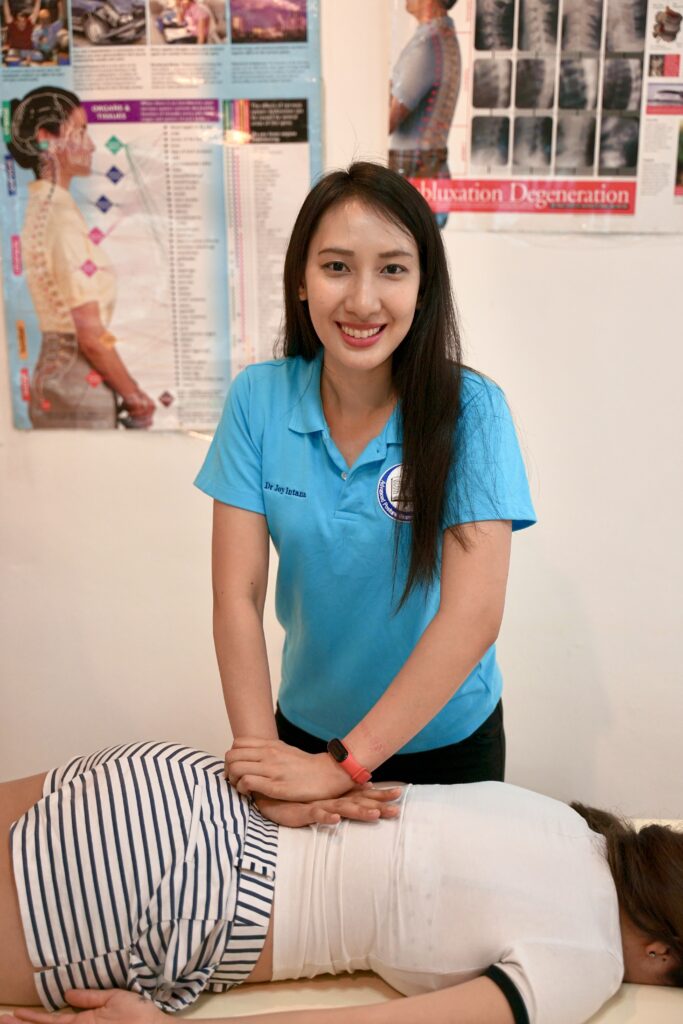
Dr Joy Intana PhD D.O DPT BSc PT
Head Teacher Osteopathy & APBC Technique
By embracing Osteopathy’s holistic principles and techniques, you can enhance your practice and provide more comprehensive care for your patients.
Click here for studying Osteopathy 2 year diploma onsite in Thailand
Click here for studying Online Degrees in Osteopathy
Academic online NUMSS Programs
Bachelor Degrees
–Bachelor of Science in Osteopathy (BSc(Ost))
–Bachelor of Science in Massage Therapy Program BSc (MT)
Master Degrees
–Master of Business Administration Program
–MBA Master of Science in Athletic Therapy
–MSc (AT) Master of Science in Orthopaedics
–Master of Science in Osteopathy
–MSc (Ost) Master of Science in Pedorthics
–MSc (Ped) Master of Science in Sports Medicine
-MSc (SM) Master of Science in Eastern Psychology
-MSc (Psych)
Doctoral Degrees
–Doctor of Physical Therapy (DPT)
–Doctor of Botanical Medicine (DBM)
–Doctor of Philosophy in Osteopathic Clinical Rehabilitation – PhD (OCR)
–Doctor of Philosophy in Physical Medicine & Rehabilitation – PhD (PMR)
–Doctor of Occupational Therapy (OTD)
Tuition – NUMSS (if you book NUMMS via English Osteopathic School you get a lower price 10% off university fees and an easy 6 instalments payment schedule per year.